


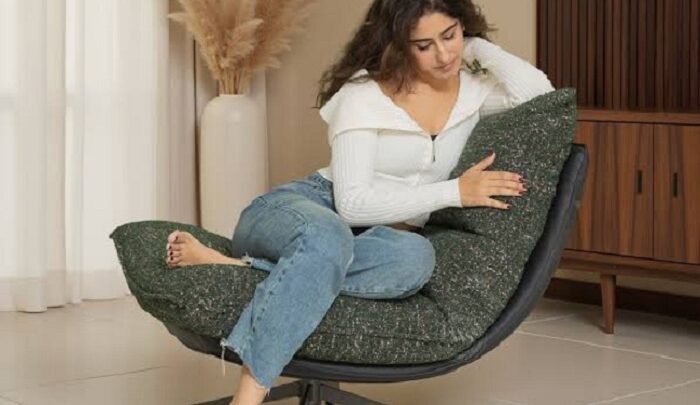
A comfortable home is more than just a place to relax after a busy day. It is a personal environment that reflects individual preferences, creative interests and everyday lifestyle choices. Just as fashion trends influence the way people dress, changing design preferences are shaping how modern homes are decorated and organised.
Today, homeowners are increasingly interested in creating interiors that combine visual appeal with practicality. From selecting suitable furniture to incorporating natural elements, even small design decisions can transform the atmosphere of a living space.
Choose a Colour Scheme That Reflects Your Personality
Colour is one of the most effective ways to change the appearance of an interior. A well-planned colour palette can make a room feel welcoming, spacious or relaxing, depending on the shades selected.
Neutral colours such as white, beige, cream and light grey remain popular because they create a clean and versatile foundation. These shades can be complemented with colourful cushions, artwork, rugs or decorative accessories.
For people who enjoy more expressive interiors, earthy greens, deep blues and warm terracotta tones can introduce character without overwhelming the room.
The most important consideration is consistency. Choosing a limited selection of complementary colours helps create a balanced appearance throughout the home.
Make Small Spaces More Functional
Not every home has extensive floor space, which makes efficient planning especially important. A thoughtfully arranged small room can feel just as comfortable and attractive as a larger interior.
Multifunctional furniture is particularly useful in compact homes. Storage beds, folding tables, modular sofas and wall-mounted shelves help maximise available space while keeping everyday items organised.
Mirrors can also create the impression of a larger room by reflecting natural light. Similarly, choosing furniture with simple designs and lighter colours can prevent an interior from feeling crowded.
Good organisation is equally important. Keeping frequently used items accessible while storing less essential belongings separately makes everyday routines easier.
Bring Nature Into Your Living Space
Natural elements can make interiors feel warmer and more inviting. Indoor plants, wooden furniture, stone textures and natural fabrics introduce visual variety while creating a connection with the outdoors.
Plants are especially useful decorative features because they can complement different interior styles. Small plants work well on shelves and desks, while larger varieties can become attractive focal points in living rooms.
Natural lighting also plays an important role. Keeping windows unobstructed and using light curtains can help daylight reach different areas of a room.
For people interested in home improvement, these simple adjustments can make a noticeable difference without requiring extensive renovation work.
Explore Modern Residential Design and Lifestyle Trends
The way residential developments are designed can influence how people experience everyday living. Modern buyers often consider more than the appearance of individual apartments. They also pay attention to shared facilities, surrounding amenities, transport connections and the overall neighbourhood environment.
Singapore provides an interesting example of how residential design continues to respond to changing lifestyle preferences. Developments such as One Chuan Grove reflect interest in contemporary residential environments where home design and neighbourhood convenience are both important considerations.
When evaluating a residential property, it is useful to consider how the available spaces support different activities. A comfortable living room, practical kitchen and well-organised bedroom can make a home more functional.
Shared recreational facilities and convenient access to nearby amenities may also contribute to a more enjoyable residential experience.
Create a Relaxing Atmosphere Through Lighting
Lighting can completely change the mood of an interior. While bright lighting is useful for reading, working and preparing meals, softer illumination can create a relaxing atmosphere in bedrooms and living areas.
A combination of different lighting sources is often more effective than relying on one central ceiling light.
Table lamps, floor lamps and decorative wall lighting can introduce warmth and flexibility. Warm-toned bulbs are particularly suitable for spaces designed for relaxation, while brighter neutral lighting may be preferable for work areas.
Whenever possible, make use of natural daylight during the day. It can make interiors feel more open and reduce the need for artificial lighting.
Why Neighbourhood Convenience Matters
A stylish home is only one part of a comfortable lifestyle. The surrounding neighbourhood also influences daily experiences, including shopping, dining, commuting and recreational activities.
People living in urban environments often appreciate convenient access to public transportation, supermarkets, restaurants and leisure destinations. These features can make everyday activities easier and reduce the amount of time spent travelling.
River Valley is one of Singapore’s established residential neighbourhoods, offering access to a variety of urban conveniences. The upcoming River Opus development is planned as a mixed-use residential project along River Valley Road, incorporating private residences, serviced residences and commercial spaces.
Its location near Great World MRT Station illustrates the importance of connectivity when considering modern residential environments.
For anyone exploring contemporary home and lifestyle trends, examples like these demonstrate how residential design and neighbourhood accessibility can work together to shape the overall living experience.
Use Decorative Accessories to Add Character
Decorative accessories provide an opportunity to personalise a home without making major changes.
Artwork, cushions, rugs, mirrors and decorative objects can introduce colour and texture. The key is to avoid overcrowding surfaces with too many unrelated items.
Instead, select a few pieces that complement the room’s overall theme. A carefully positioned painting, an interesting table lamp or a distinctive decorative vase can become a focal point.
Textiles are another simple way to refresh an interior. Changing curtains, cushion covers or bedding can introduce a new look without requiring expensive furniture replacements.
Make Comfort the Priority
A beautiful home should also support everyday comfort. Furniture should be practical, seating should provide adequate support, and frequently used spaces should be arranged according to household needs.
The bedroom deserves particular attention because it is an important place for rest. Comfortable bedding, suitable lighting and organised storage can help create a more relaxing environment.
Living areas should also allow people to spend time together, entertain guests or enjoy individual activities.
Ultimately, successful home décor is not about following every new trend. It is about making thoughtful choices that reflect personal preferences and improve everyday living.
Final Thoughts
Creating a stylish and comfortable home does not always require a large budget or a complete renovation. Simple improvements involving colour, lighting, furniture placement and decorative accessories can make a significant difference.
By combining practical design decisions with personal creativity, homeowners can develop interiors that feel welcoming and distinctive. As modern lifestyles continue to evolve, the relationship between residential design, neighbourhood convenience and personal expression will remain an important part of contemporary living.


